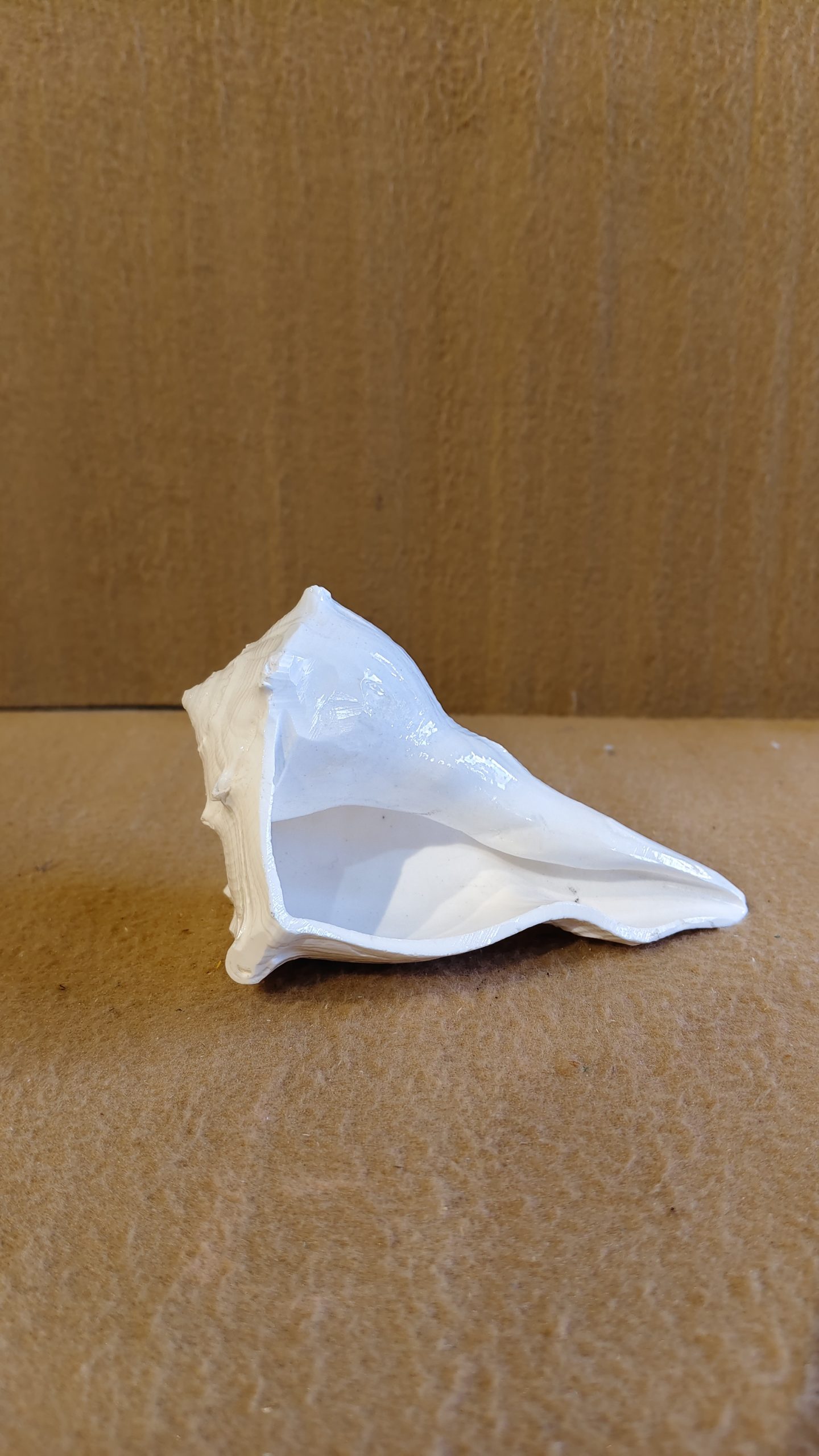
White Conch Shell or Ceremonial Shankha

White Conch Shell or Ceremonial Shankha
Category:
Key Features
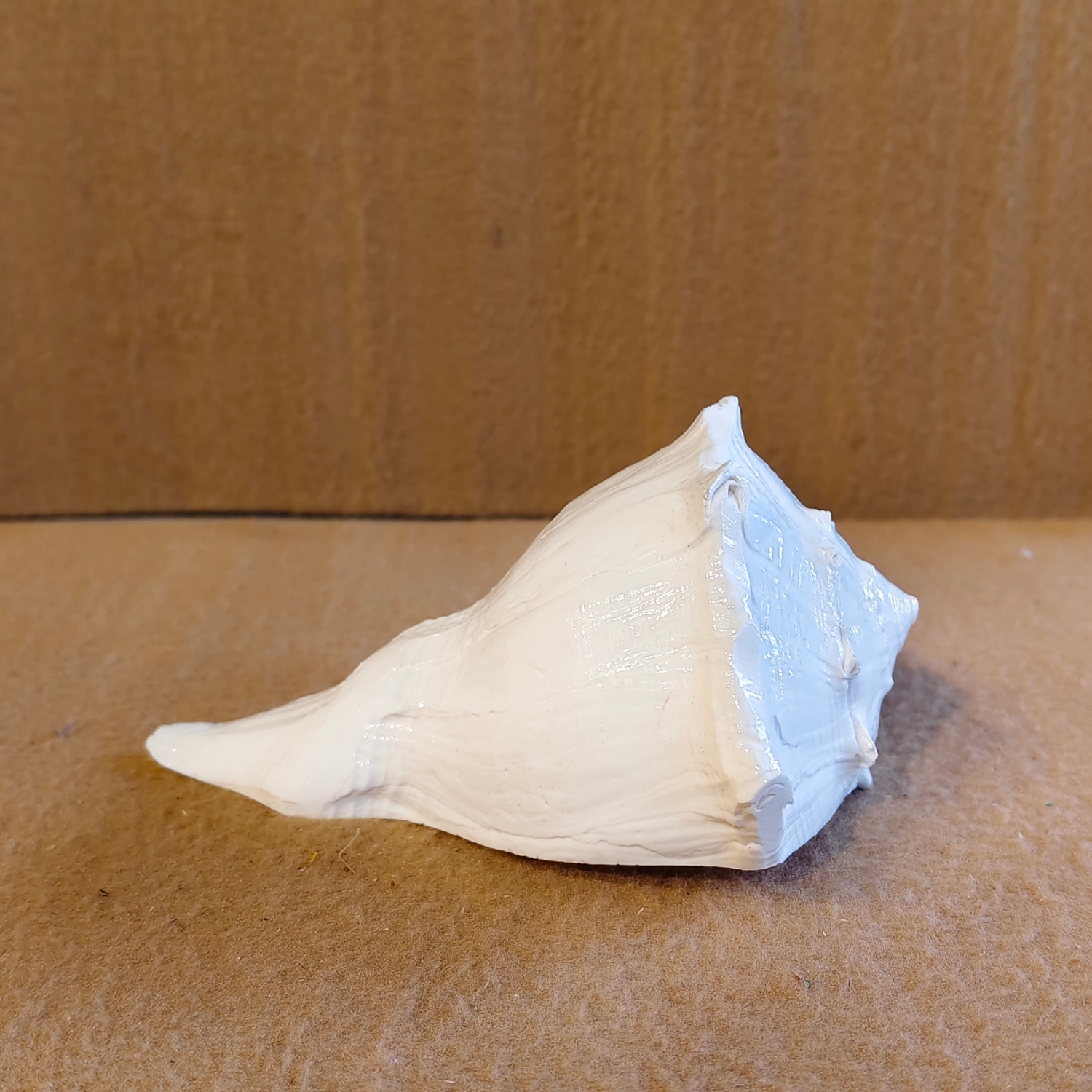
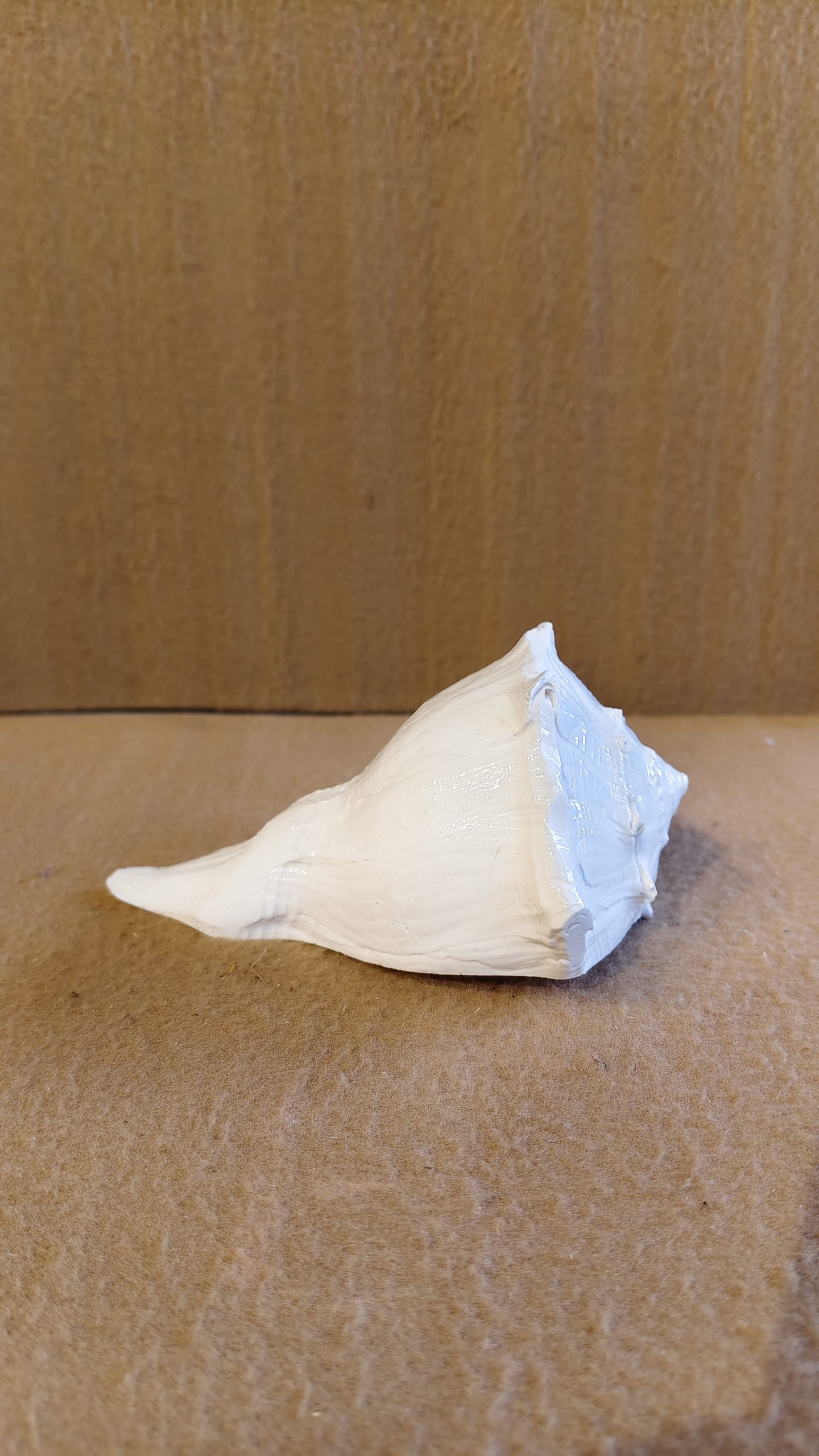
  • Material: A natural conch shell. It may have a smooth, polished, or painted white finish, which is common for shells used in religious ceremonies.
  • Design: The natural spiral shape of a conch shell. The surface is smooth and uniform in color.
  • Functionality: The primary function is as a ceremonial and spiritual instrument. It is blown to produce a sound during religious rituals. It can also be a decorative item, often placed on an altar or a shelf.
  • Aesthetics: The shell’s pure white color and smooth texture give it a clean, elegant, and spiritual aesthetic. It is a simple yet powerful decorative object.
  • Cultural Significance: The conch shell is a sacred symbol in many cultures, representing divinity, purity, and good fortune. In Hinduism, it is one of the attributes of Lord Vishnu. This makes the shell a meaningful and spiritual item.
  • Use: This shell can be used in religious ceremonies, as a decorative item on a home altar (puja room), or as a centerpiece for a spiritual-themed decor.

This is a smooth, white conch shell, also known as a shankha. Unlike some shells that are purely decorative, this one is likely a genuine shell that has been polished or coated with a white finish. The conch shell is a highly significant object in Hinduism and Buddhism, where it is used as a ritualistic object. It is blown like a trumpet during ceremonies and prayers to announce the beginning of a ritual or to ward off evil spirits. The sound is considered to be a sacred sound, representing the primordial “Om” sound. The shell has a natural spiral shape and a distinct point.